
HOW SAFE IS YOUR FOOD VENDOR? WHAT RESTAURANTS, CANTEENS AND FOOD SELLERS MUST DO TO PREVENT FOOD POISONING
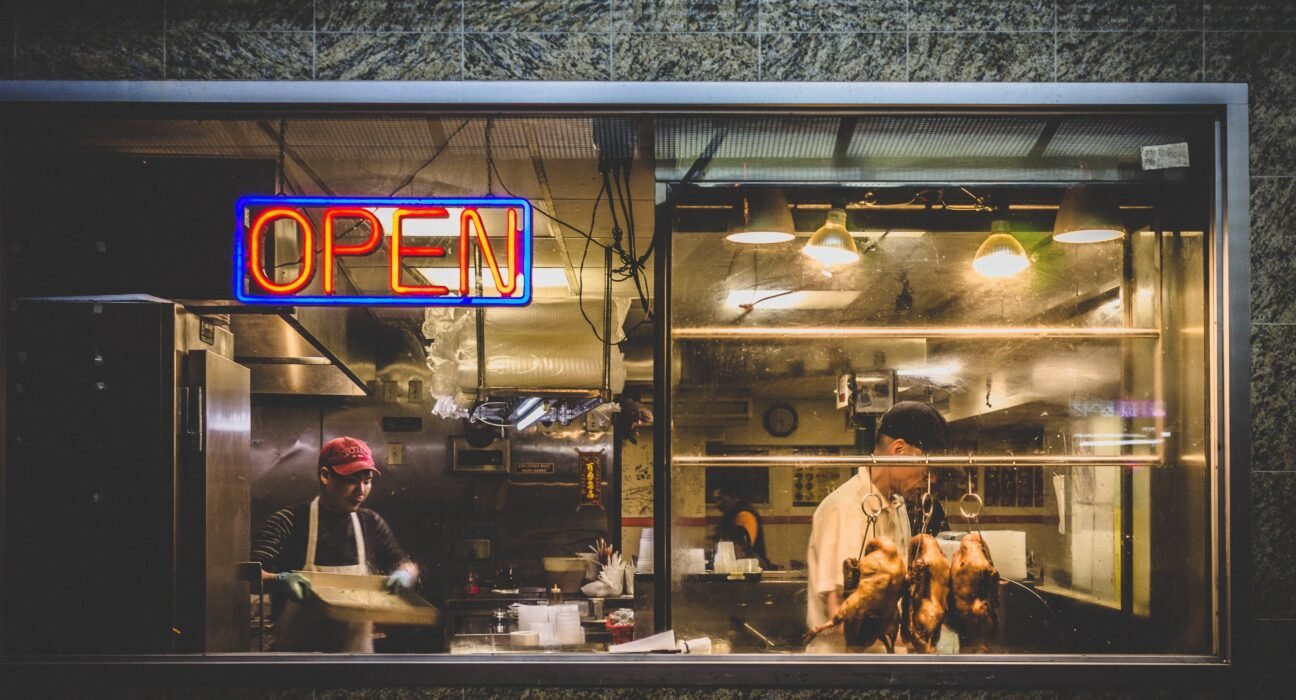
Clean tables and beautiful décor do not always guarantee safe food.
A food entrepreneur explains why hygiene, clean water, plate sanitation and proper food handling can mean the difference between a healthy meal and a hospital visit.
WORLD FOOD SAFETY DAY SPECIAL REPORT
(PART 4)
In Part Three, we examined how everyday household habits—unsafe storage, contaminated dry foods, and poor hygiene—can quietly expose families to foodborne diseases.
But food safety does not end in the home.
For millions of Nigerians, daily meals are prepared outside their kitchens—by food vendors, canteens, restaurants, and roadside food sellers.
And according to food entrepreneur, Mrs. Victoria Ankinamia, what customers see on the surface is often not the full story.
“Consumers cannot easily identify whether food is safe to buy because vendors usually project what they want people to see through neat décor and presentation,” she said.
Behind the clean tables and appealing dishes, she warns, critical hygiene practices are often ignored.

When Clean Tables Hide Unsafe Kitchens
Chef Ankinamia explains that one of the biggest misconceptions among food consumers is equating appearance with safety.
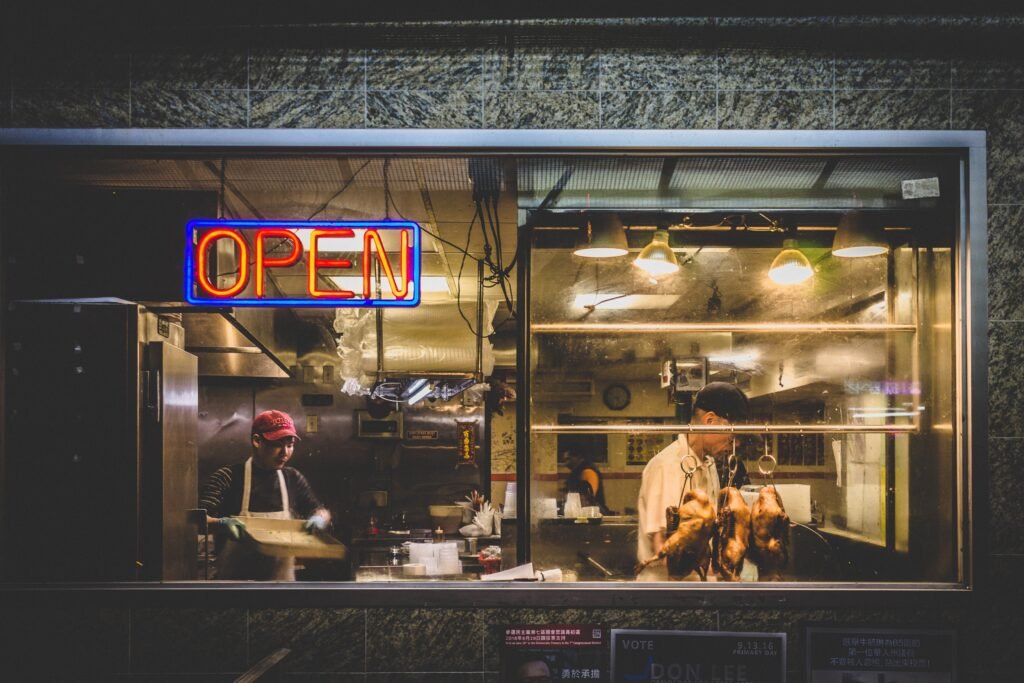
A well-arranged eating space does not always reflect what happens in the preparation area.
“I ask customers to walk into my kitchen—not to show off, but so they can see where their food is being prepared,” she said.
She believes customers have a right to understand how their meals are handled before they are served.
The Responsibility of Food Vendors
When asked about the role of food vendors and restaurants in ensuring food safety, Mrs. Adekilamo stressed that appearances can be deceptive.
“Consumers cannot always determine whether food is safe simply by looking at a restaurant or food outlet.
Some establishments maintain attractive dining areas, but their kitchens may tell a different story.”
According to her, cleanliness is a habit developed over time and not something that can be adopted overnight.
“Some vendors are simply too careless about hygiene. Cleanliness begins at home and must become part of daily practice.”
The Often-Overlooked Link Between Water and Food Safety
Mrs. Adekilamo also highlighted the dangers associated with poor dishwashing practices among food vendors.
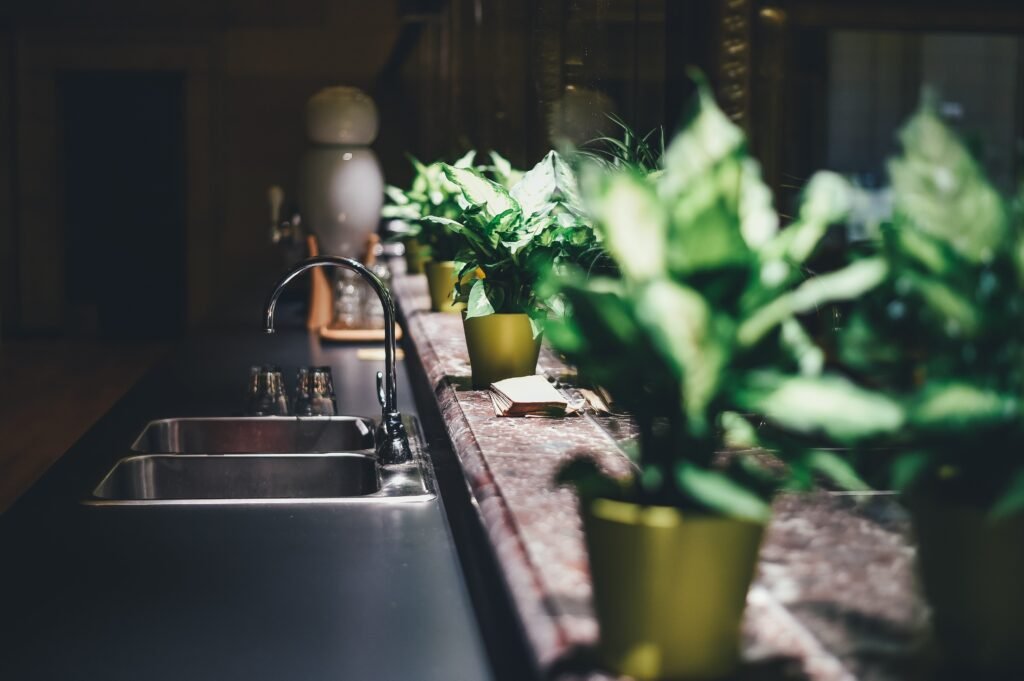
She warned against washing plates in stagnant water and reusing wet dishes without proper drying.
“Running water should be used whenever possible. Plates should be thoroughly cleaned and sun-dried before reuse.”
According to her, contaminated wash water can transfer harmful microorganisms onto supposedly clean dishes, increasing the risk of food poisoning.
“Food safety begins with seemingly minor details—water quality, plate hygiene, and environmental cleanliness.”
She advised vendors to keep sufficient quantities of dishes available so that washed plates can dry properly before being reused.

Water plays a central role in food preparation, yet it is often one of the least regulated elements in informal food businesses
From washing vegetables to cleaning utensils, unsafe water can introduce invisible pathogens into food at multiple stages.
Ankinamia stresses that food safety begins with something as simple—and as critical—as water quality.
A Real-Life Warning From Experience
Beyond technical advice, Ankinamia shared a personal experience that reinforced her concerns about food safety.
She recalled an elderly customer who initially appeared healthy but later returned looking weak and frail.
Upon inquiry, he revealed that he and two other friends had eaten at another well-known food outlet and suffered severe food poisoning, which required hospital treatment for the trio.
The experience, she said, isn’t a deliberate act of food poisoning by the vendor, but underscores how quickly foodborne illness can escalate—even when meals appear normal and safe.
A Message for Consumers
Mrs. Ankinamia applauded consumers who prioritise food quality and safety over low prices.
She noted that while many hardworking individuals depend on food vendors due to busy schedules, they deserve meals that are both nutritious and safe.
However, she observed that some consumers knowingly choose the cheapest options regardless of hygiene standards.
“Some people are only interested in satisfying their hunger and pay little attention to food safety. Unfortunately, that attitude can have serious health consequences.”
Her warning was simple: “You may be damaging your health while trying to satisfy your stomach.”
For food vendors, she argues, trust is not built through décor or marketing—it is built through hygiene practices that customers may never see.
From clean water to proper utensil handling, every step in food preparation contributes to the safety of the final meal.
“Food safety begins with small things people overlook,it is about how safe and secure what you put into your mouth is. Food safety is health, wealth, and life. When food is unsafe, both children and adults are exposed to danger,” she reiterated.
She explained that food affects every aspect of human development, including growth, physical appearance, memory, and overall wellbeing.
“From conception to old age, food safety remains one of the most important factors in human health. We must constantly ask ourselves: How healthy is the food we consume?”
According to Mrs. Ankinamia, foodborne illnesses often result from seemingly minor mistakes made during food selection, preparation, storage, and handling.
“Foodborne diseases are frequently caused by microorganisms that are invisible to the naked eye. Many infections arise because of careless attitudes towards food safety, improper food handling, consumption of spoiled foods, or poor storage of leftovers,” she explained.
She noted that negligence often creates opportunities for harmful organisms to contaminate food, increasing the risk of illness among consumers.
“Food security is not only about availability—it is also about safety,” she maintained.
If home kitchens and food vendors both carry risks, the final question becomes unavoidable:
What solutions actually work?
In the final episode, we explore global standards, WHO food safety principles, and practical steps governments, vendors, and families can take to reduce foodborne diseases.