
FOOD SAFETY AT HOME: COMMON KITCHEN MISTAKES THAT COULD PUT YOUR FAMILY AT RISK
For Episode 3, the focus shifts from the invisible threats (bacteria, viruses, parasites, toxins) to where many of those threats gain access to the family: the home kitchen
WORLD FOOD SAFETY DAY: SPECIAL REPORT
(PART 3)
In Part Two, we examined the invisible causes of food poisoning—from bacteria and viruses to parasites, toxins and chemical hazards that contaminate food and water long before a meal reaches the table.
But according to nutrition expert and food entrepreneur, Mrs. Victoria Ankinamia, the danger does not always begin in farms, markets or restaurants.
It often begins at home. “Many food poisoning cases begin at home,” she said.
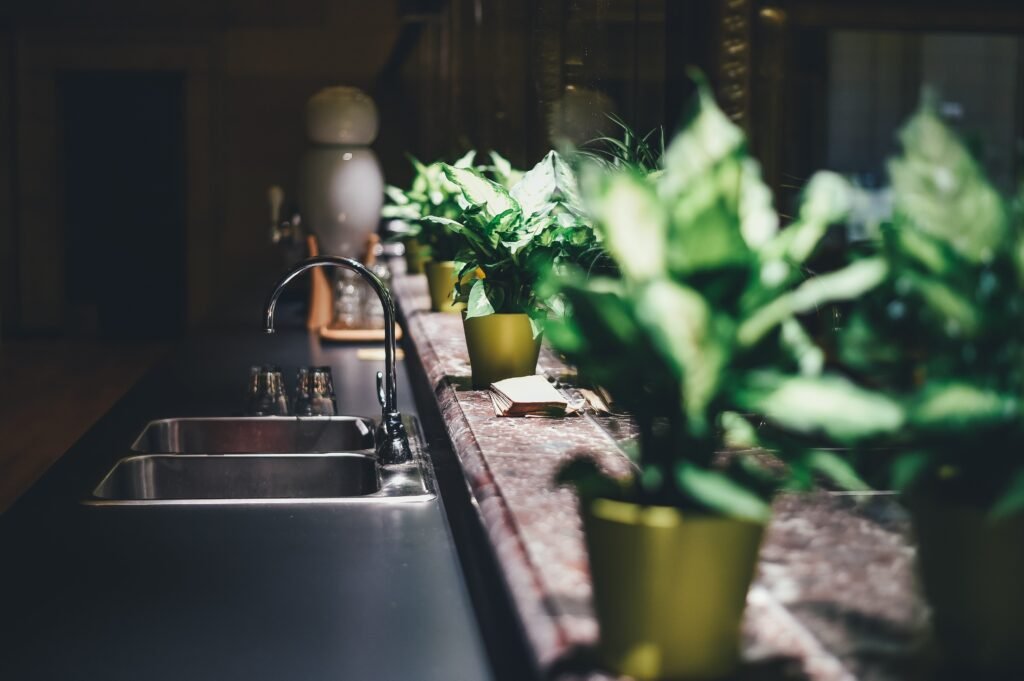
Inside kitchens that are meant to protect families, simple daily habits—often ignored—can quietly expose households to serious health risks.

When Fresh Food Is No Longer Safe
One of the most overlooked risks, according to Ankinamia, is the assumption that food remains safe as long as it looks and smells normal.
She points to tomatoes as a common example. “Some food items are not properly maintained. Tomatoes, for example, can develop whitish mucus when they begin to spoil, but people still use them because they look fine,” she explained.
What appears like minor neglect can become a pathway for contamination, especially when food is stored for too long without proper preservation.
The Hidden Risk in Garri and Dry Foods
Ankinamia also warned that dry foods are not automatically safe.
Products like garri, flour, and other dried staples are often assumed to be resistant to contamination because of their low moisture content.
But she says this belief is dangerous. “Dry foods like garri can still be contaminated. Dust can enter easily, and once that happens, it is no longer safe for consumption,” she noted.
In many households and markets, exposure to open air, dust, and poor storage conditions increases the risk of contamination long before cooking begins.
Leftovers: A Quiet Risk in Many Homes
Leftover meals are common in many households, especially where families cook in bulk due to time or cost constraints.
However, improper storage can turn leftovers into a breeding ground for harmful microorganisms.
When food is left exposed or kept too long without proper preservation, the risk of contamination increases significantly.
Ankinamia believes that many families unknowingly expose themselves to this risk in everyday routines.
Cross-Contamination in the Kitchen
Another major concern is cross-contamination—the transfer of harmful organisms from one surface or food item to another.
This can happen through unwashed hands, shared utensils, or surfaces used interchangeably for raw and cooked foods.
In many homes, these risks go unnoticed because the kitchen appears clean on the surface.
But contamination often occurs at a microscopic level long before symptoms appear.
Nutrition, Vulnerability and Family Health
Nutrition expert Ankinamia also emphasized that food safety is closely linked to nutrition and vulnerability within households.
She warned that poor dietary practices can worsen health outcomes, especially among children and pregnant women.
“Some mothers do not prepare balanced meals for their children, and this leads to malnutrition,” she said.
She also cautioned pregnant women against unhealthy food choices and alcohol consumption, noting that maternal nutrition directly affects fetal development.
She further stressed about timing and late night eating, stating that heavy food like Fufu, Apu, Eba should be avoided during late hours at night.
Speaking on what simple food safety practices can families adopt to reduce the risk of contamination, she noted that some food combinations are harmful to health.
”You may have the money to afford the food and want to satisfy your taste buds, but that is damaging to your health.” she said, while clarifying that Desert food made with flour like bread, sausage should not be followed with alcohol or chilled water as it coagulates in the stomach.
The Bigger Picture: Food Safety Begins at Home
While global attention often focuses on industrial food safety standards, Nutrition expert Ankinamia insists that everyday household habits play an equally important role.
She further advised home makers to use salt as sanitizer, stressing that “our market is as dirty as anything, let salt be your good friend at home” she explained. Food safety, she argues, is not complicated. It is consistent attention to details people often ignore.
Unsafe food remains a major global health concern, contributing to illness, malnutrition, and preventable deaths worldwide.
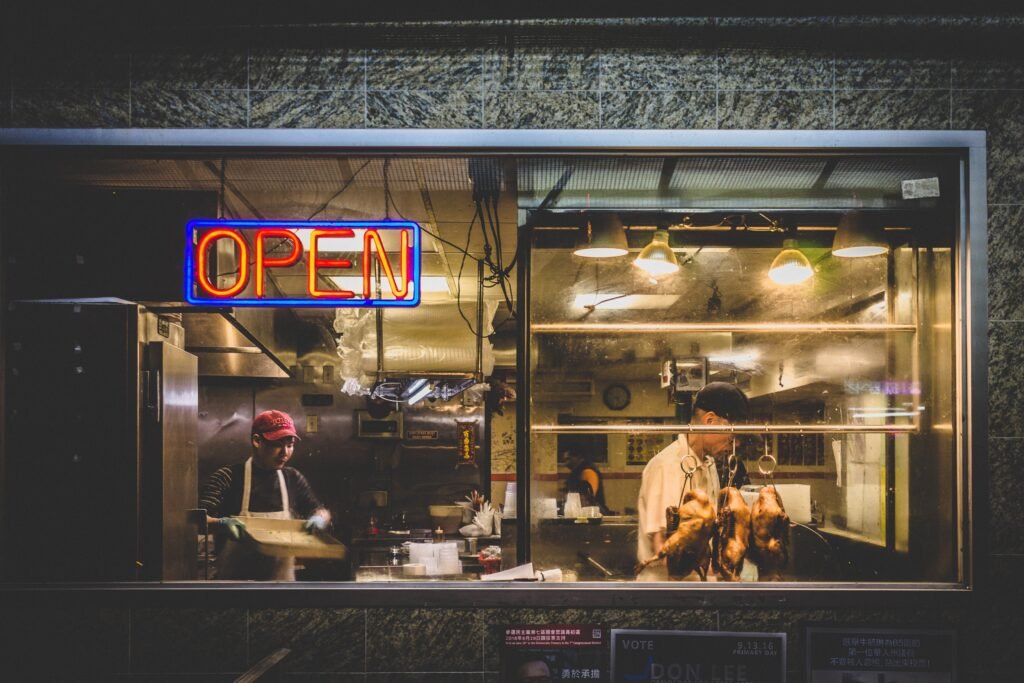
Food safety does not end at home. Millions of people depend on restaurants, canteens, roadside food vendors, and eateries for daily meals.
But how safe is the food we buy outside our homes?
In Part Four, we turn to food vendors, restaurants, and producers to examine the hygiene practices, risks, and responsibilities behind the meals served to the public.