


WHO FOOD SAFETY TIPS: SIMPLE HABITS THAT CAN PROTECT FAMILIES FROM FOODBORNE DISEASES
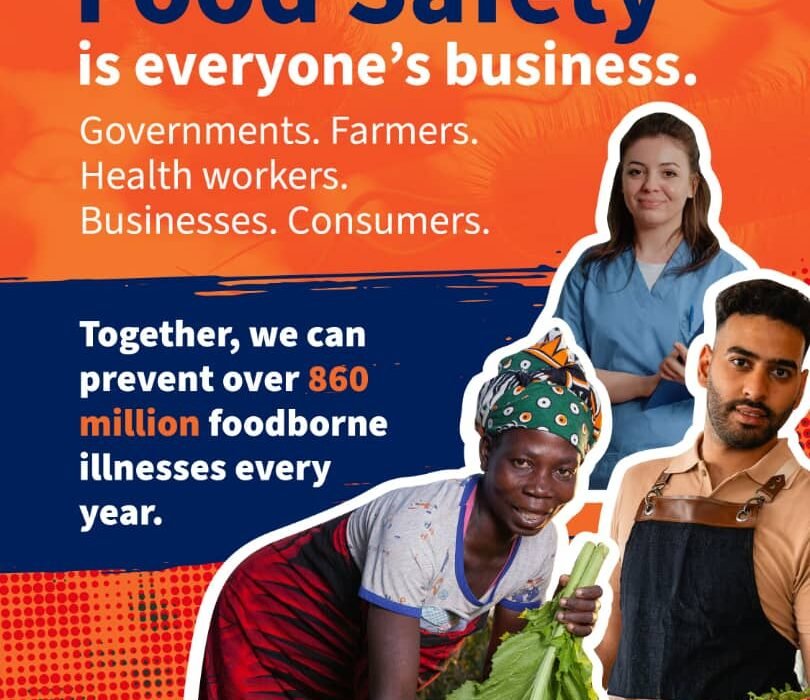
Food safety starts with simple habits. From handwashing and proper cooking to safe food storage and buying from trusted sources, experts and the WHO outline practical steps families can take to reduce the risk of foodborne illnesses.
WORLD FOOD SAFETY DAY SPECIAL REPORT (FINAL EPISODE – PART 5)
In Part Four, we examined the hidden risks behind food vendors and restaurants—from plate washing in stagnant water to unsafe food handling practices that are often invisible to customers.
Now, we conclude the series with solutions.
Food safety is not only about identifying risks. It is about preventing them.
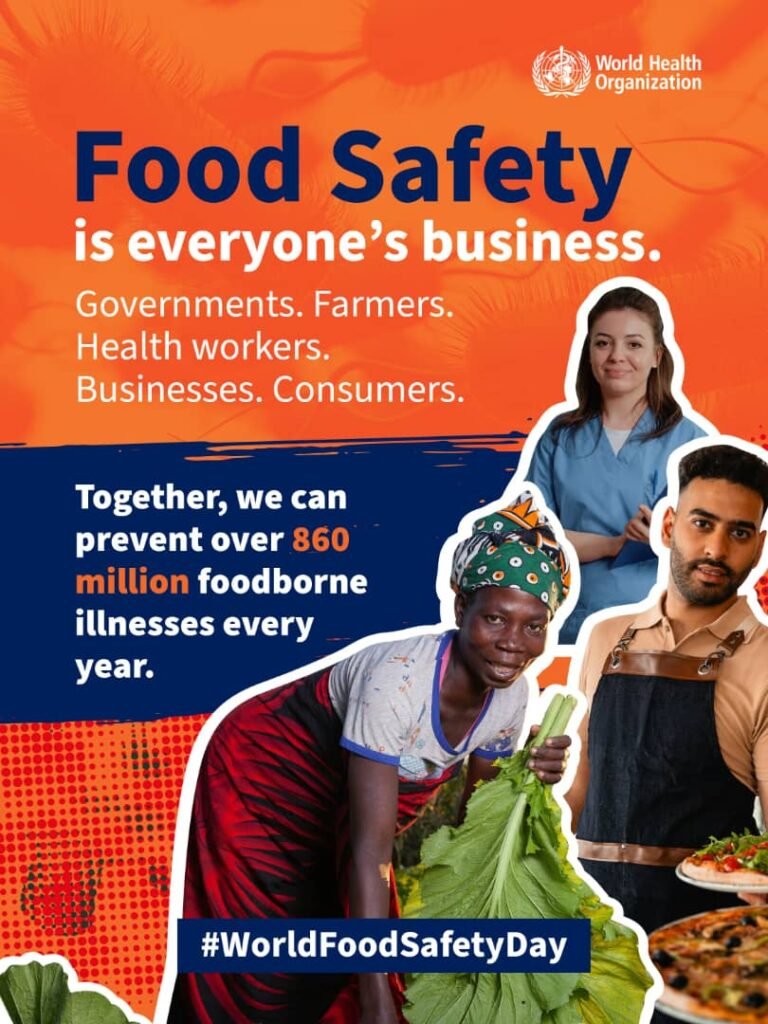
And according to the World Health Organization (WHO), millions of foodborne illnesses each year can be avoided through simple, everyday habits practiced consistently at home, in markets, and across food systems.
Food Safety Begins With Simple Habits
The WHO emphasizes a set of basic but powerful practices that reduce the risk of food contamination.
These include:
- Washing hands before handling food
- Cooking food thoroughly
- Washing fruits and vegetables properly
- Keeping raw and cooked foods separate
- Maintaining safe temperatures for hot and cold foods
These steps may appear simple, but globally, they remain the most effective defence against foodborne diseases.
The Human Cost of Unsafe Food
Across the earlier episodes of this series, one message has remained constant:
Food safety failures are not just technical issues—they are human tragedies.
From the father of four in Ondo West who did not survive suspected poisoning, to the elderly woman in Ogun State who deteriorated after a meal, the consequences of unsafe food are often sudden, severe, and irreversible.
Climate Change and the Future of Food Safety
Experts warn that food safety risks are evolving.
Climate change is increasing temperatures, altering rainfall patterns, and affecting water quality—conditions that allow bacteria and pathogens to spread more easily in food systems.
This means food safety challenges will not decrease unless preventive action becomes stronger and more coordinated.
Consumer Responsibility and Shared Accountability
Food safety is not the responsibility of one group alone.
It involves:
- Governments setting standards
- Vendors maintaining hygiene
- Producers ensuring safe handling
- Consumers making informed choices.
A study by Oghenekohwo (2015), published in the European Journal of Food Science and Technology, underscores the critical role of government intervention in ensuring food safety.
The researcher found that effective regulation, mandatory food safety training, vendor registration, and regular inspections by environmental health authorities are essential for maintaining hygiene standards and preventing food-borne diseases.
The study argues that stronger government oversight and enforcement are key to sustaining safe food vending practices and protecting public health.
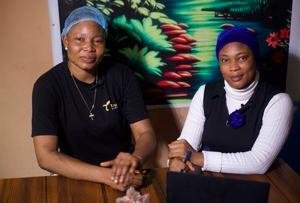
As Mrs. Victoria Ankinamia emphasized throughout this series, safety begins with awareness.
“Wherever you are eating, if you are not the one who prepared it, always remember the food is not 100% safe,” she noted.
Why This Matters
Unsafe food contributes to:
- Over 200 diseases globally
- Hundreds of millions of illnesses annually
- Severe impact on children under five
- Major economic losses in healthcare systems
Food safety is not only a health issue.
It is a development issue, and thus this series aligns directly to:
SDG 3 – Good Health and Well-being
SDG 6 – Clean Water and Sanitation
SDG 2 – Zero Hunger (Safe Nutrition)
WHO Global Food Safety Strategy
As this World Food Safety Day series concludes, one truth stands out:
Food safety is not complicated—but it is often neglected.
And the consequences are not always immediate—but they are often irreversible.
The next food poisoning case may not be inevitable.
It may already be preventable.
Full Series Recap
Episode 1: Human tragedy and silent food safety crisis
Episode 2: Invisible causes of food poisoning (bacteria, viruses, toxins)
Episode 3: Hidden risks in home kitchens
Episode 4 : Food vendors and hygiene accountability
Episode 5: WHO food safety solutions and prevention
This series was informed by interviews with nutrition expert and food entrepreneur, Mrs. Victoria Ankinamia of Rodak Foods and Bar, who shared first hand insights into food safety risks in everyday environments with Reporter Oluwaseyi Elizabeth Jimoh.