

SPEAK FREELY, CONTRIBUTE CREATIVELY, PARTICIPATE MEANINGFULLY: HOW PROJECT ECHO CHAMBER BY LADY EJIRO UMUKORO IS CHANGING THE TIDE FOR YOUNG NIGERIANS
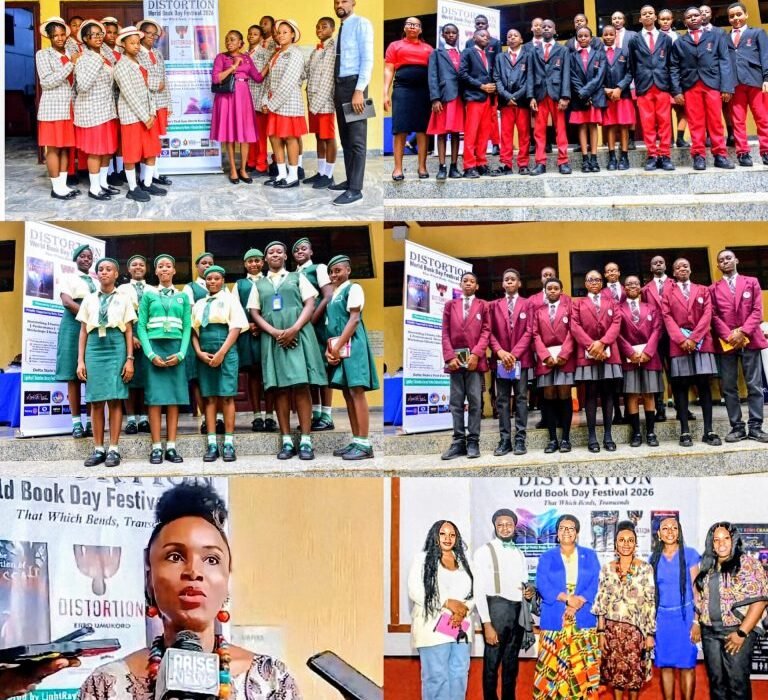
Project ECHO Chamber is redefining youth engagement in Nigeria by giving students a powerful platform to speak freely, think critically and challenge the systems shaping their future. Launched in Delta State by investigative storyteller and author Lady Ejiro Umukoro during the inaugural LightRay!/DISTORTION Literary Festival, the initiative confronts urgent issues ranging from youth exclusion and declining reading culture to emotional suppression among boys and the collapse of public libraries. Through storytelling, literature, spoken word, debate and creative expression, the movement is transforming young Nigerians from passive observers into active voices for social change, accountability and civic participation.
SPEAK FREELY, CONTRIBUTE CREATIVELY, PARTICIPATE MEANINGFULLY: HOW PROJECT ECHO CHAMBER BY LADY EJIRO UMUKORO IS CHANGING THE TIDE FOR YOUNG NIGERIANS
Against the backdrop of declining educational investment, weakened reading culture and growing concerns over the exclusion of young people from national conversations, award-winning investigative storyteller and author Lady Ejiro Umukoro has launched Project ECHO Chamber, a youth-focused literary and civic initiative designed to give students a platform to speak freely, contribute creatively and participate meaningfully in society.
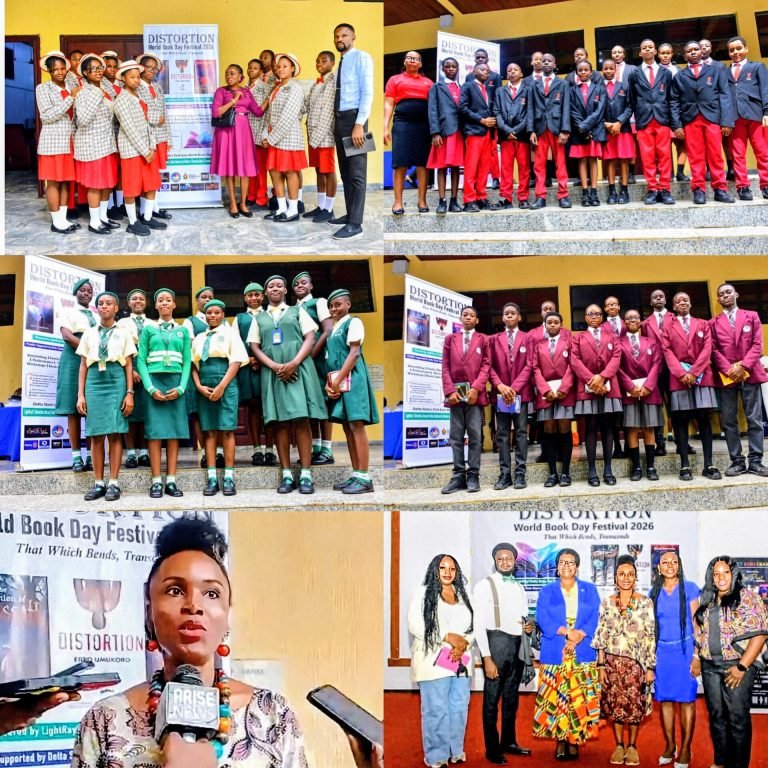
The initiative was unveiled during the inaugural LightRay!/DISTORTION Orientation Literary Festival at the Government House Press Centre in Asaba, bringing together students, educators, writers, librarians, civil society advocates and government officials from across Delta State’s 25 local government areas.
Convened by LightRay! Media in partnership with the Office of the Head of Service, Delta State, the festival marked what organisers described as the state’s first student-focused literary festival.
Speaking at the event, Umukoro said the project was born out of growing concern over what she described as the systemic neglect of young Nigerians in governance, education and public policy.
“Young Nigerians remain among the most neglected and vulnerable groups in the country,” she said. “You can see this reflected in policy implementation, legislation and even budget allocations for education and child welfare.”
She said Project ECHO Chamber was created to reverse that trend by building platforms where students can express themselves, question systems, share ideas and actively shape public discourse through storytelling, literature and creative engagement.
“We were all children once, and every child wants to be heard,” she added. “Children want to contribute, question systems and be listened to.”
LITERATURE AS CIVIC ENGAGEMENT
The year-long initiative, which began with Delta State’s first officially recognised World Book Day celebration earlier this year, combines literature, performance and civic dialogue to encourage critical thinking and youth participation.
Under the theme “DISTORTION,” the festival challenged students to confront outdated narratives surrounding gender, identity, toxic masculinity, youth culture and human dignity.
Activities included spoken-word performances, stage plays, storytelling sessions, creative writing workshops, bookathons and AI-powered short film storytelling involving students from schools across Delta State, including Faith Academy, St. Brigid’s Grammar School, Government Model Secondary School and Ughelli Grammar School.
Organisers said the broader goal is to transform students from passive consumers of information into active creators of ideas capable of driving social change.
ADDRESSING THE “BOY-MAN CRISIS”
A major highlight of the festival was a panel discussion centred on what organisers described as the “Boy-Man Crisis” — concerns around emotional suppression among boys, toxic masculinity and increasing social disconnection among young men.
Umukoro argued that many boys are raised within systems that discourage emotional expression, often with damaging long-term consequences.
“We have built a society where boys are taught not to express emotions,” she said. “Many grow up believing they must dominate or suppress feelings, and that mindset contributes to violence and harmful behaviour.”
Legal practitioner Maduemezia Azuka Paul also urged students not to define success solely by financial wealth or internet-driven lifestyles.
“At 17, your life should not revolve around money,” he told participants. “Success is not defined by the amount of money in your pocket.”
He encouraged young people to focus on creativity, innovation and education rather than shortcuts to wealth.
CONCERNS OVER LIBRARIES AND READING CULTURE
The event also reignited conversations around the deteriorating state of libraries and reading culture in Nigeria.
Umukoro expressed concern over the condition of many public libraries in Delta State, describing several facilities as neglected or abandoned despite the state’s economic potential.
“Libraries are repositories of knowledge, civilisation and development,” she said. “Whether digital or physical, they must survive.”
President of LiTACO, Awele Ilusanmi, called for libraries to evolve into active learning hubs where students can research, collaborate and exchange ideas freely.
The Delta State Head of Service, Dr. Mininim Oseji, commended the initiative and praised the confidence and creativity displayed by students during the festival.
“The eloquence, storytelling, poetry and confidence displayed by these students are inspiring,” she said. “There is hope for society if we continue to nurture the talents of young people.”
STORYTELLING BEYOND ENTERTAINMENT
The festival drew inspiration from Umukoro’s acclaimed DISTORTION literary series, including The Distortion of Hadassah, which won the South-South TYB Young Adult Literature Prize in 2025.
According to the author, the books address issues ranging from gender-based violence and mental health to discrimination, harmful traditional practices and youth identity.
Civic advocate Tony Edemenaha described literature as a powerful tool for accountability and social transformation.
“For too long, society has normalised harmful distortions of culture, justice and values,” he said. “Literature becomes evidence, and classrooms become spaces for accountability.”
“AN INTERVENTION, NOT JUST AN EVENT”
Students who participated in the festival said the programme encouraged them to embrace creativity, emotional openness and intellectual growth.
One participant, Obodechine Goodluck, said discussions around emotional wellbeing helped him rethink the pressure placed on boys to suppress feelings.
Another student, Bemigho Esther, described the initiative as transformative and said it encouraged her to join book clubs and develop a stronger reading culture.
As the event concluded, students recited the ECHO Chamber pledge, committing themselves to truth, creativity, growth and community building.
For organisers, the initiative represents more than a literary gathering.
It is, as several speakers described it throughout the day, a deliberate intervention aimed at rebuilding civic voice among young Nigerians — one story, one conversation and one student at a time.