

#WORLDPRESSFREEDOMDAY: “JOURNALISM IS FOR PUBLIC INTEREST, LITERATURE IS FOR PUBLIC MORALITY”— LADY EJIRO URGES YOUNG CREATIVES TO DEFEND FREEDOM OF EXPRESSION
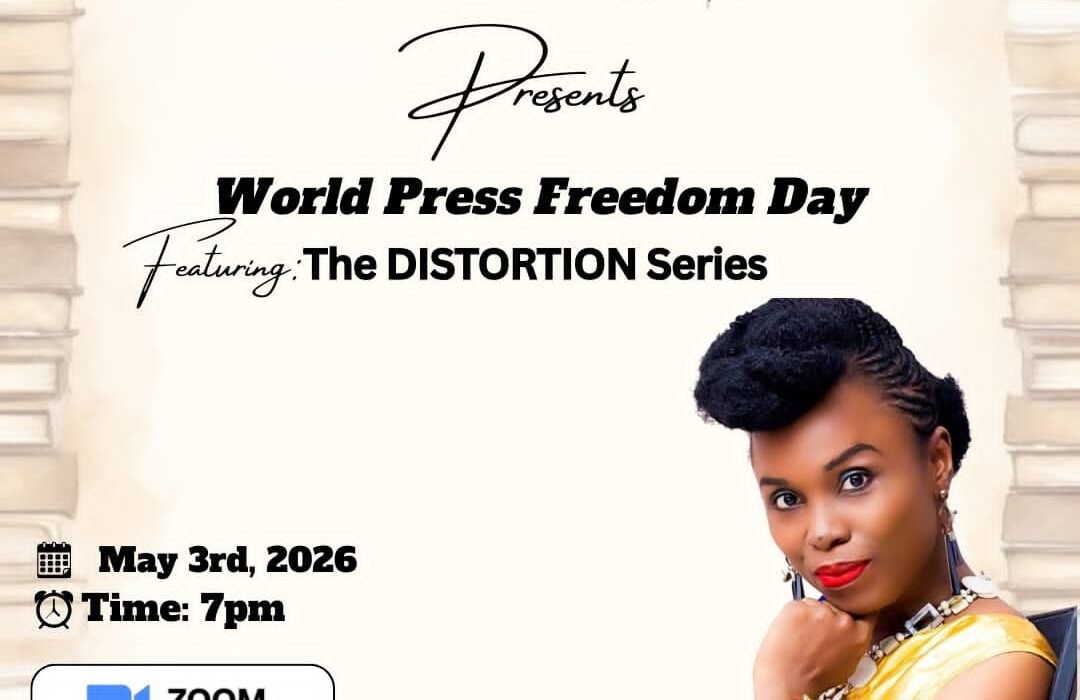
Award-winning investigative journalist, author and gender advocate, Lady Ejiro Umukoro, has called on young creatives to embrace freedom of expression and use storytelling as a tool for social change, declaring that “journalism is for public interest, while literature is for public morality.”
Lady Umukoro made the statement during a World Press Freedom Day event organised by PEN Nigeria to commemorate the United Nations observance advocating freedom of expression, media independence and the protection of writers and journalists.
Speaking during the literary conversation centred on her #Distortion series, the Executive Director of LightRay! Media stressed that journalism and literature remain interconnected instruments for truth-telling and societal transformation. “Journalism and creative writing are two lungs breathing the same air,” she said.
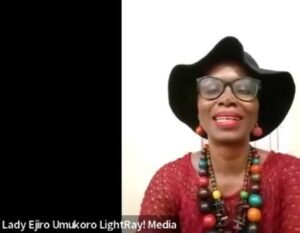
According to her, journalism focuses on verified facts, evidence and public accountability, while literature humanises social realities through stories, poetry and fictional narratives capable of creating emotional and moral change.
She explained that when societies suppress press freedom, literary expression also comes under threat.
“The moment you gag the media, it is not too long before you gag literature. Don’t allow your freedom of expression to be silenced,” she stated while referencing Article 19 of the Universal Declaration of Human Rights.
Literature as a Tool for Advocacy and Social Change
Using examples from African literary classics, Lady Umukoro explained how literature often preserves social truths long after news headlines fade.
Referencing works such as Things Fall Apart by Chinua Achebe and The Gods Are Not to Blame by Ola Rotimi, she noted that creative writing possesses the emotional depth to challenge patriarchy, gender inequality and harmful cultural practices in ways conventional news reporting may not fully achieve.
She further explained that literature can expose hidden truths through symbolism, pseudonyms and fictionalised characters.
“If facts are hidden in journalism, literature can still reveal them,” she said.
The celebrated storyteller revealed that her Distortion of Hadassah novel was inspired by real-life encounters, including the experiences of victims affected by the Osu caste system in Eastern Nigeria.
According to her, the literary advocacy surrounding the book contributed to broader conversations that eventually influenced the abolition of the Osu caste practice in parts of the State.
She also recounted how media advocacy around the book attracted significant public engagement, including televised discussions and testimonies from affected families.
Young Writers Encouraged to Document History
Addressing aspiring writers and creatives, Lady Umukoro urged them to document societal experiences and preserve history through writing.
“History is your capacity to document incidents as they happen. You have a unique story to tell,” she advised.
She encouraged young people not to remain silent in the face of injustice, stressing that writing should serve humanity by exposing abuse, defending truth and promoting accountability.
“Your job is not to hurt people but to reveal the hurt and speak truth to power,” she added.
The author also reflected on several investigative experiences that shaped her writing career, including stories involving gender-based violence, abuse and cultural discrimination.
She noted that many social problems persist because silence enables harmful practices to thrive across generations.
PEN Nigeria Commends Creative Expression
Earlier in her opening remarks, President of PEN Nigeria, Mrs Oluwatoyin Adenubi, welcomed participants and described the event as an important platform to deepen conversations around freedom of expression and literary advocacy.
The gathering also featured poetry readings, literary performances and interactive discussions among writers, journalists and creatives.
Among the poems presented was Dead People Don’t Read Tribute by Akpoturu Ogheneruona, which encouraged compassion, humility and appreciation for loved ones while alive.
Vice President of PEN Nigeria, Mrs Rosemary Onah, applauded the initiative and called for more regular engagements among creatives.
“We need conversations like this regularly because they inspire new perspectives and remind us that learning never stops,” she said.
Closing the event, PEN Nigeria reiterated the importance of protecting freedom of expression and encouraging writers, journalists and creatives to continue using their voices for social progress.
“The pen is mightier than the sword. We must continue to lend our voices for a better tomorrow,” the organisation stated.