

WHY 49 PEOPLE DIED OF THIRST IN NIGER’S SAHARA DESERT
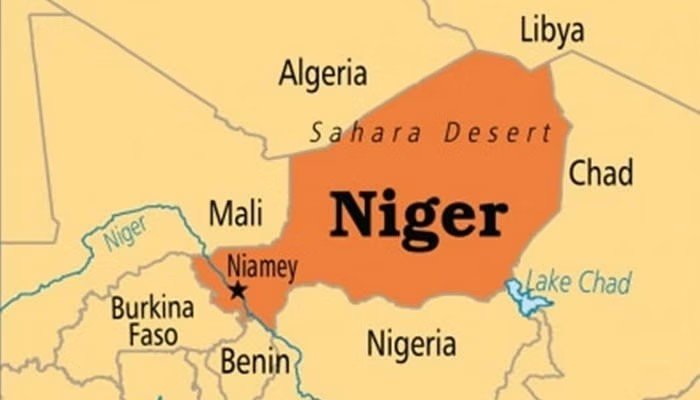
Forty-nine travellers died of thirst in Niger’s Sahara Desert after the truck transporting them broke down in a remote area, leaving them stranded without access to water in one of the world’s harshest environments, authorities have said.
The victims were part of a group returning from neighbouring Mali for a Muslim festival when their vehicle became disabled more than 80 kilometres west of Assamaka, a key transit town near Niger’s borders with Algeria and Mali. Unable to repair the truck and cut off from sources of drinking water, the passengers became trapped amid extreme desert temperatures.
According to officials in the Agadez governorate, the travellers exhausted their water supplies while waiting for help that never arrived. The combination of intense heat, isolation and the absence of nearby settlements turned the breakdown into a deadly ordeal.
Authorities said 49 people lost their lives before assistance could reach them. The victims were later buried in mass graves due to the circumstances surrounding the tragedy.
Two people survived after undertaking a desperate journey on foot. Officials said they walked more than 50 kilometres to reach a water source before continuing to Assamaka, where they alerted authorities to the disaster.
The incident highlights the dangers faced by people travelling through the vast Sahara Desert, where mechanical failures can quickly become life-threatening because of scarce water supplies, extreme temperatures and limited emergency services.
The region around Assamaka is also a well-known migration corridor used by people moving across North and West Africa and, in some cases, attempting to reach Europe. Humanitarian organisations have repeatedly warned that migrants and travellers crossing the desert face significant risks, including dehydration, starvation and exposure to severe weather conditions.
Authorities have not released further details about the identities of the victims, but the tragedy is among the deadliest recent incidents linked to dehydration in the Sahara.