



WHO ISSUES FIRST GLOBAL GUIDELINE ON GLP-1 OBESITY DRUGS AS GLOBAL CASES SURGE TOWARD 2030
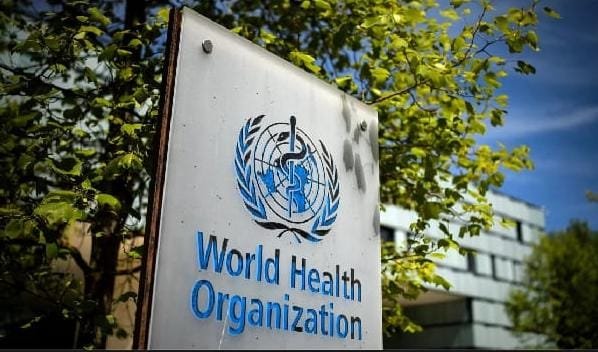
The World Health Organization (WHO) has released its first global guideline on GLP-1 medicines for obesity, as more than 1 billion people face a rising epidemic linked to 3.7 million deaths in 2024 and US$3 trillion in annual global costs.
Reports revealed how more than 1 billion people are now living with obesity worldwide, a spiraling health emergency the World Health Organization says caused 3.7 million deaths in 2024 and cost the global economy over US$3 trillion last year.
With obesity rates projected to double by 2030, WHO has issued its first-ever global guideline on the use of GLP-1 medicines to treat obesity as a chronic, relapsing disease—not a personal shortcoming.
In what WHO calls a landmark move, the new guideline provides conditional recommendations for using GLP-1 therapies—such as semaglutide, liraglutide, and tirzepatide—as part of long-term obesity treatment. These medicines were added to WHO’s Essential Medicines List for high-risk type 2 diabetes patients in 2025, but this is the first time WHO has formally guided their use for obesity itself.
WHO Director-General, Dr Tedros Adhanom Ghebreyesus said “Obesity is a major global health challenge that WHO is committed to addressing by supporting countries and people worldwide to control it, effectively and equitably,” noting that Medication alone won’t solve this crisis— but it can help millions live healthier, happier lives.
WHO stresses that GLP-1 medicines must be paired with healthy eating, regular physical activity, behavioural support, and professional medical guidance to be effective and sustainable.
WHO’s guideline outlines two conditional recommendations:
1. GLP-1 therapies may be used by adults (excluding pregnant women) for long-term obesity treatment. While evidence shows significant weight loss and metabolic improvement, the recommendation is cautious due to limited long-term data, high costs, equity challenges, and health-system capacity.
2. Intensive behavioural interventions—such as structured diet plans and supervised physical activity—may be offered to adults taking GLP-1 therapies to enhance results.
Obesity is now recognized as a complex chronic disease, and a driver of cardiovascular disease, type 2 diabetes, certain cancers, and poor outcomes during infectious illnesses. Beyond health, the economic burden is staggering: obesity-related costs could exceed US$ 3 trillion annually by 2030, straining healthcare systems worldwide.
Despite their promise, GLP-1 medicines remain out of reach for most people. WHO estimates that even with accelerated production, fewer than 10% of eligible patients will have access by 2030.
The organization warns that without cautious health-system planning, the medicines could widen global health disparities. WHO is urging countries and manufacturers to consider pooled procurement, tiered pricing, and voluntary licensing to expand access—similar to global approaches for vaccines and HIV medicines.
Furthermore, demand has fueled a surge in falsified and substandard GLP-1 products, posing serious threats to patient safety. WHO urges consumers to rely on regulated pharmacies and licensed medical providers.
WHO says addressing obesity demands a three-pillar approach:
- Healthier environments through strong public policies that make nutritious foods and safe physical activity accessible.
- Early screening and protection for high-risk individuals.
- Lifelong, person-centred care, including safe access to effective medicines when appropriate.
While global systems shift, WHO reminds individuals that small, daily steps matter:
- Move more—walking counts.
- Choose nutritious foods when possible.
- Seek medical advice if struggling with weight.
- Avoid unregulated weight-loss products.