



EXPERT DEBUNKS FGM MYTH AS ONDO STAKEHOLDERS INTENSIFY CRACKDOWN
Mama Tajudeen, now in her late fifties, recalled one of her painful childhood experience that fateful morning.
Growing up in Irele community of Ondo State, she was just 12, when elderly women stormed her home and forcefully dragged her immediate elder sister to perform the age long tradition of female circumcision on bare floor.
“I ran as fast as I could, when I saw what they were about to do,” she described. “But they caught and cut me too.”
With a sharp knife, the women mutilated her genitals. Her pleas went unanswered. Even her father, she said, walked away helplessly.
“I couldn’t urinate because the pain was unbearable. The part that was cut made it difficult,” she said quietly.
Her story mirrors the experience of millions of girls worldwide subjected to Female Genital Mutilation (FGM), also known as female genital cutting.
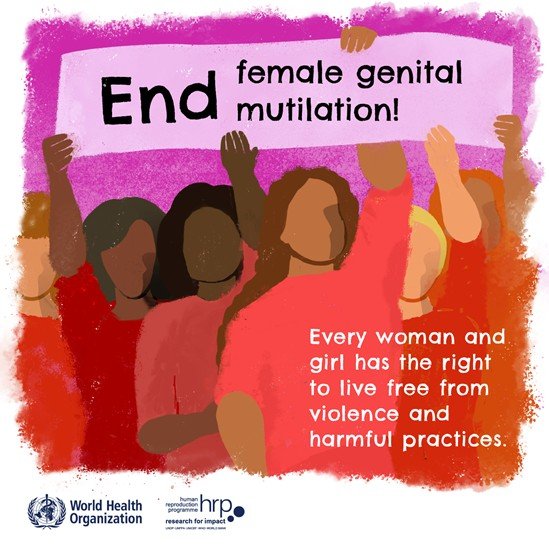
According to the United Nations Children’s Fund (UNICEF), Africa accounts for the largest share of FGM cases globally, with more than 144 million affected girls and women. Asia follows with over 80 million cases, and the Middle East with about six million.
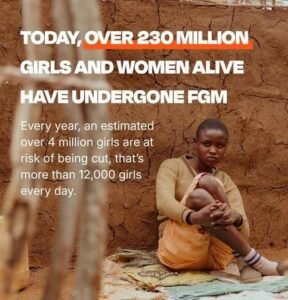
The World Health Organization (WHO) estimates that more than 230 million girls and women worldwide are living with the lifelong physical and psychological consequences of FGM. The agency warns that about 4.5 million girls— many under the age of five— are at risk of undergoing the procedure in 2026 alone, as financial and social pressures threaten progress toward elimination.
SOUTH-WEST NIGERIA UNDER SPOTLIGHT
Although national prevalence in Nigeria is gradually declining, recent data indicate that the trend remains troubling in parts of the South-West, particularly Ondo and Ekiti states.
FGM is defined by WHO as all procedures involving partial or total removal of the external female genitalia or other injury to female genital organs for non-medical reasons. Often referred to locally as female circumcision, the practice is deeply rooted in tradition and sustained by myths— including the belief that it curbs promiscuity.
However, experts say there is no evidence to support this claim.
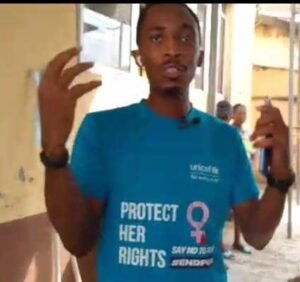
Mr. Inioluwa Ifedayo Adedayo of Balm in Gilead Foundation (BIGIF), speaking during an awareness campaign in Ondo State, described the promiscuity narrative as “a contradiction of facts.”
“If FGM truly prevented promiscuity, states with high prevalence would not also record high rates of teenage pregnancy,” he argued, citing data from Ekiti and Ondo. “Promiscuity is about mindset and personal choices, not mutilation.”
He emphasized that FGM is carried out without the consent of the child, violating fundamental human rights—including the right to dignity, health, and freedom from violence. He warned that survivors often face childbirth complications, infections, trauma, and difficulty enjoying marital life.
 EVIDENCE FROM EKITI STUDY
A study conducted by researchers Adeyi, M.O. & Makinde, T.A., Department of Social Science Education, Ekiti State University, has revealed that Female Genital Mutilation (FGM) remains prevalent in Ekiti State, although the practice is gradually declining.
The researchers found that FGM prevalence among women aged 15 to 49 remains high, corroborating earlier findings that over 70 percent of women in the state had undergone the procedure. Despite ongoing interventions, campaign efforts were generally rated low in intensity.
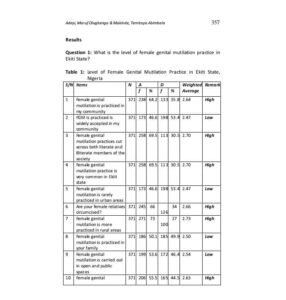
However, the study established a significant relationship between media campaigns, health education initiatives, and reductions in FGM practice. According to the findings, increased exposure to media advocacy and structured health campaigns correlates with lower rates of FGM, suggesting that awareness-driven strategies are effective in changing attitudes and behavior.
In contrast, adult education programmes alone were found not to have a significant impact on reducing the practice, possibly due to limited emphasis on the medical and psychological consequences of FGM.
The researchers therefore recommend strengthening women’s access to formal education, healthcare services, and sustained media engagement as critical strategies for accelerating the elimination of FGM in Ekiti State.
STAKEHOLDERS MOBILISE IN ONDO
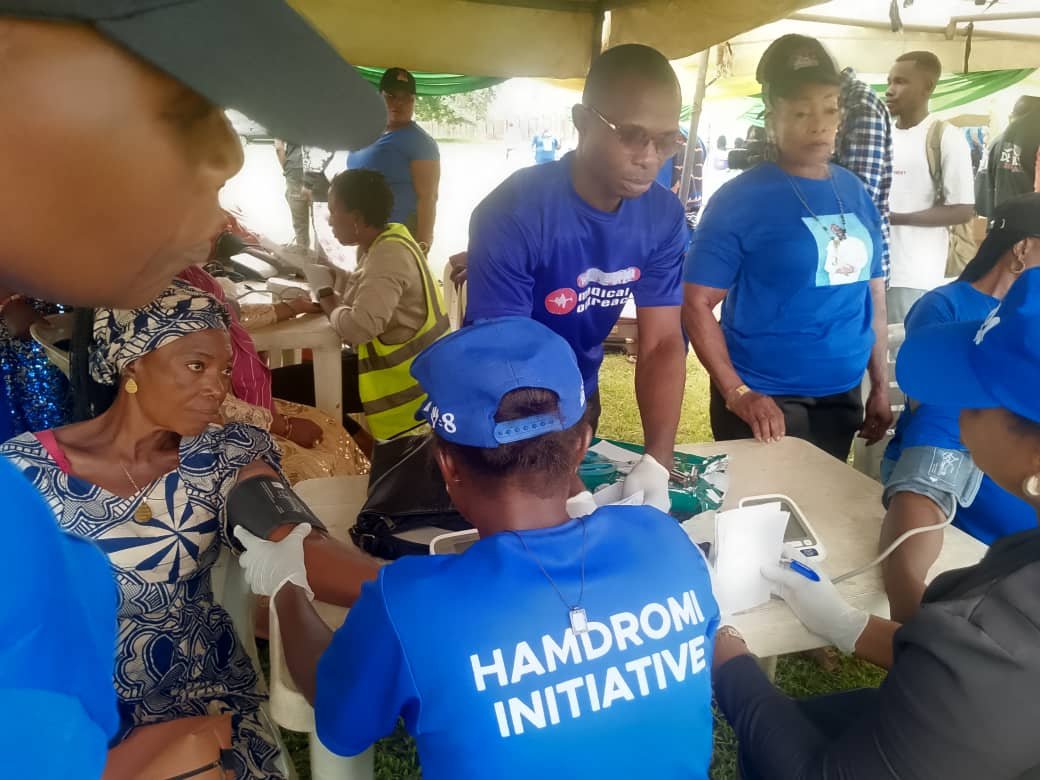
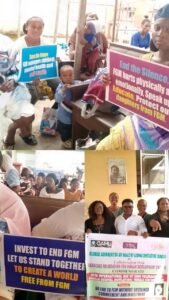
In commemoration of the United Nations International Day of Zero Tolerance for FGM, stakeholders in Ondo State—including health professionals, legal practitioners, gender advocates, and community leaders—intensified campaigns to end the practice.
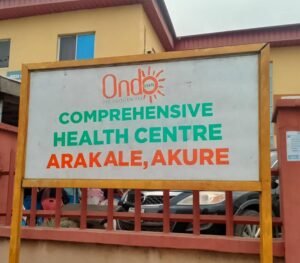
At a sensitisation programme held at Arakale Comprehensive Health Centre in Akure, nursing and expectant mothers were educated on the health and legal implications of FGM.

Mrs. Olufisoye Adenitan, Founder and Chief Executive Officer of Faracare Foundation for Human Development (FARDEF), stressed that FGM offers no medical benefits.
“FGM brings only pain, trauma, childbirth complications, and sometimes death. It robs girls of dignity and safety,” she said. “There is no end to FGM without sustained commitment and investment.”
She urged mothers to become ambassadors for change in their homes and communities.
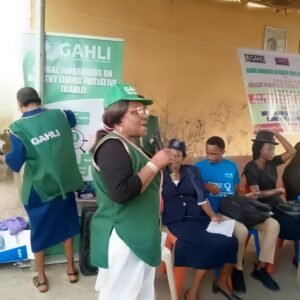 Similarly, Mrs. Margaret Adebayo of the Global Awareness on Healthy Living Initiative (GAHLI) described FGM as a gross violation of human rights with lifelong physical and emotional consequences.
Retired Director of Health Education in the Ondo State Ministry of Health, Mrs. Eunice Ogundojutimi, warned that the procedure—often carried out with unsterilised knives, blades, or broken bottles—can cause severe bleeding, infections, and psychological trauma.
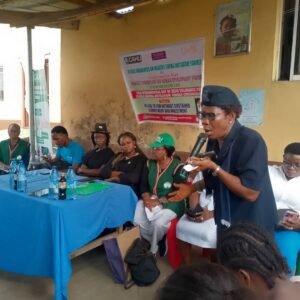
“Myths that uncircumcised women are promiscuous or unfit for marriage are false,” she said, expressing optimism that collective advocacy could eliminate the practice by 2030.
LEGAL CONSEQUENCES
On the legal front, the Ondo State Chairperson of the International Federation of Women Lawyers (FIDA), Barrister Bolanle Olafunmiloye, reminded residents that FGM is a criminal offence under Nigerian law, punishable by a fine of ₦200,000 or up to four years’ imprisonment, with accomplices equally liable.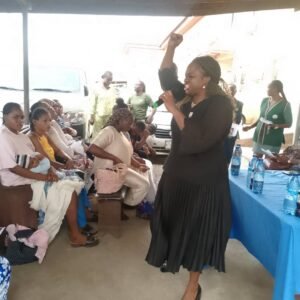
She noted that offenders are often mothers or mothers-in-law and encouraged the public to report cases, assuring victims of legal support.
The Executive Secretary of the Ondo State Agency Against Gender-Based Violence (OSA-GBV), Barrister Afolabi, stated that laws alone are not enough without public cooperation.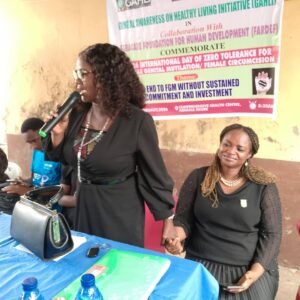
She stressed that prompt reporting remains key to deterrence and reaffirmed the agency’s commitment to enforcing a zero-tolerance stance against FGM.
The Ondo State Government has domesticated the Violence Against Persons (Prohibition) Act, reinforcing a zero-tolerance stance against gender-based violence, including FGM.
A CALL FOR COLLECTIVE ACTION
As survivors like Mama Taju continue to live with the scars of a practice rooted in myth, stakeholders insist that education, media advocacy, legal enforcement, and grassroots engagement remain critical.
FGM does not preserve culture— it endangers lives. Ending it will require sustained investment, stronger community dialogue, and the courage to challenge long-held beliefs for the sake of the next generation.