

NIGERIA FACES ACUTE REHABILITATION WORKFORCE SHORTAGE AS ONE IN THREE PEOPLE GLOBALLY NEED CARE— MRTB
The Medical Rehabilitation Therapists Board of Nigeria (MRTB) says one in every three people globally lives with a health condition that could benefit from rehabilitation services, yet access to such care remains limited, especially in low- and middle-income countries like Nigeria.
The Board warned that Nigeria is facing a severe shortage of rehabilitation professionals despite rising demand driven by non-communicable diseases, longer life expectancy, disabilities, injuries and other health conditions requiring specialised care.
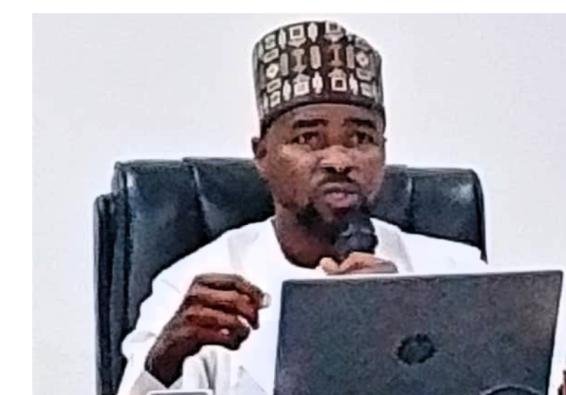
Speaking at a press conference in Abuja, MRTB Registrar and Chief Executive Officer, Professor Rufai Ahmad, said the country has only about 7,300 registered physiotherapists, 350 prosthetists and orthotists, 250 speech therapists and audiologists, and 120 occupational therapists serving a population of more than 200 million people.
He attributed the widening workforce gap partly to the migration of healthcare professionals abroad and called for increased investment, workforce development and policy support to strengthen rehabilitation services nationwide.
According to Ahmad, rehabilitation involves physical, mental and social interventions that help individuals regain independence and reintegrate into society after illness, injury, disability, addiction or incarceration.
To improve access, he said Nigeria has begun implementing the World Health Organization’s Rehabilitation 2030 Initiative, which seeks to integrate rehabilitation into the country’s healthcare system.
As part of the reforms, the Coordinating Minister of Health and Social Welfare has approved the integration of rehabilitation services into Primary Healthcare centres nationwide, a move expected to bring care closer to communities and expand access for millions of Nigerians.
The MRTB Registrar also disclosed that rehabilitation services and assistive products are being considered for inclusion under the National Health Insurance Authority to reduce out-of-pocket healthcare expenses for patients.
Addressing workforce shortages, Ahmad said the Ministry of Education has approved the establishment of medical rehabilitation programmes in 20 universities across the six geopolitical zones to increase the number of trained professionals and improve their distribution across the country.
He further revealed that more than 110 hospitals and clinics have been accredited for rehabilitation practice, while over 60 hospitals have received accreditation to provide internship training for rehabilitation professionals.
Despite these efforts, Ahmad identified inadequate funding as a major challenge, noting that rehabilitation services currently lack a dedicated budget line at both federal and state levels.
According to him, the funding gap has affected workforce development, procurement of equipment and the expansion of rehabilitation services.
He, however, said the Board is pursuing digital reforms to strengthen regulation and improve service delivery. These include the digitisation of registration and licensing processes, accreditation, inspections, internship management and professional examinations.
He called on government agencies, development partners and other stakeholders to support ongoing efforts to strengthen rehabilitation services, stressing that improved access would enhance health outcomes, educational attainment, employment opportunities and national productivity.
Established in 1992, the Medical Rehabilitation Therapists Board of Nigeria regulates the training, licensing and clinical practice of rehabilitation professionals across the country.