



WHO WARNS SWEET-FLAVOURED NICOTINE POUCHES ARE HOOKING TEENAGERS INTO ADDICTION
The World Health Organization (WHO) has warned that nicotine companies are using sweet flavours, influencer promotions and youth-focused branding to lure teenagers and young adults into addiction through rapidly growing nicotine pouch products.
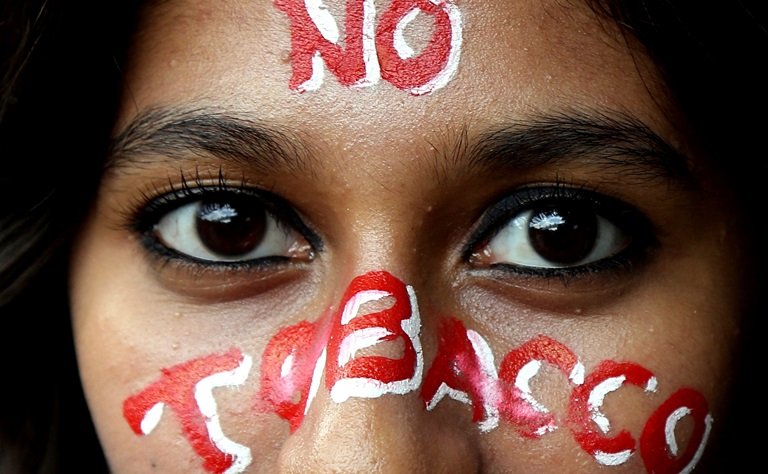
In a new report released ahead of World No Tobacco Day on 31 May, WHO said the products— often marketed in flavours such as bubble gum and gummy bears— are being designed and promoted to appear trendy, harmless and socially acceptable to younger users.
The agency said global sales of nicotine pouches surpassed 23 billion units in 2024, rising by more than 50% in just one year.
Health experts say the growing concern is not only the rise in nicotine pouch use, but the deceptive tactics being used to attract young people.
WHO said nicotine pouch brands are increasingly relying on sleek packaging, social media influencers, concert and sports sponsorships, and lifestyle marketing to normalise nicotine use among adolescents.
“Governments are seeing the use of these products spread quickly, especially among adolescents and young people who are being aggressively targeted by deceptive tactics,” said Dr Etienne Krug, Director of WHO’s Department of Health Determinants, Promotion and Prevention.
Nicotine pouches are small sachets placed between the gum and lip to release nicotine into the bloodstream. WHO warned that nicotine is highly addictive and can harm brain development in children and adolescents, affecting learning, attention and impulse control.
The agency also warned that some products are sold in multiple nicotine “strengths” labelled for “beginners”, “advanced” and “experts”, with nicotine levels reaching as high as 150mg.
According to WHO, many countries are still struggling to regulate the products effectively. About 160 countries currently have no specific regulations for nicotine pouches.
“The use of nicotine pouches is spreading rapidly, while regulation struggles to keep pace,” said Dr Vinayak Prasad, head of WHO’s Tobacco Free Initiative.

WHO is now calling on governments to introduce stricter measures, including flavour bans, tougher advertising rules, age-verification systems, plain packaging and taxes aimed at reducing youth access to nicotine products.
The organisation warned that without urgent action, a new generation risks becoming addicted to nicotine through products deliberately packaged and marketed to look appealing to young people.