
DRUG ABUSE BECOMING EVERYDAY REALITY IN NIGERIAN COMMUNITIES, NDLEA WARNS
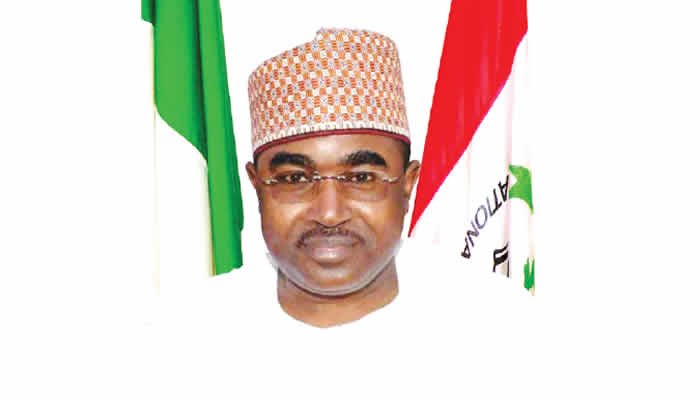
Nigeria’s worsening drug abuse problem is no longer hidden in crime statistics or security reports, it is now destroying lives in homes, schools and communities across the country, the Chairman of the National Drug Law Enforcement Agency (NDLEA), retired Brigadier-General Buba Marwa, has warned.
Speaking in Abuja on Monday at the opening of a two-day National Drug Control Master Plan (NDCMP) Consultative Forum, Marwa said the country faces a rapidly evolving drug threat driven by rising addiction, synthetic substances and online trafficking networks.
His warning comes amid growing concerns over substance abuse among young Nigerians and projections by the United Nations Office on Drugs and Crime (UNODC) that drug use across Africa could increase by 40% by 2030.
“The drug problem is not an abstract concept but a daily reality in homes, schools and communities,” Marwa told delegates at the forum.
“We are here not just as policy-makers and experts, but as parents, citizens and guardians of the next generation.”
The NDLEA chairman said Nigeria’s drug landscape is becoming increasingly dangerous due to the spread of synthetic drugs, abuse of prescription medication, poly-drug use and the emergence of new psychoactive substances.
He also warned that traffickers are increasingly using encrypted digital platforms and dark-web operations to expand the illicit drug trade.
“As Africa’s most populous nation and largest economy, Nigeria cannot afford to be a passive observer,” he said.
“The risks to our youth, our workforce and our national security are too high.”
Marwa said West Africa remains a major transit route for cocaine trafficking between Latin America and Europe, citing recent reports by the Global Initiative Against Transnational Organised Crime (GI-TOC).
Despite what he described as significant progress made by the NDLEA over the last five years, he said the country must confront the “sobering reality” that the drug crisis continues to mutate and spread.
The consultative forum, he explained, is expected to shape Nigeria’s National Drug Control Master Plan for 2026–2030 — a strategy designed to strengthen prevention, enforcement, rehabilitation and community-based intervention.
Among the proposed measures are alternative livelihood programmes aimed at addressing the socio-economic conditions that push vulnerable people into the drug trade.
The plan also seeks to disrupt trafficking networks through financial intelligence operations targeting the profits generated by illicit drugs.
The Country Representative of the UN Office on Drugs and Crime (UNODC), Cheikh Toure, said Nigeria’s drug control strategy would fail without stronger grassroots participation.
In a country with 36 states and 774 local government areas, he said, local communities must become central to prevention and rehabilitation efforts.
“State and local governments must take ownership of the response by providing funding, integrating drug control priorities into development plans and ensuring services reach grassroots communities,” Toure said.
He also called for greater involvement of young people and women, describing them as both vulnerable groups and key partners in combating substance abuse.
Nigeria’s Minister of State for Education, Prof Suwaiba Ahmad, said schools and families are increasingly witnessing the effects of addiction among young people.
She urged authorities to adopt a multi-sector approach involving education, healthcare, law enforcement and community support systems.
“Such collaboration is essential to addressing both the root causes and consequences of substance abuse in our society,” she said.
The forum is expected to produce the final draft of Nigeria’s new drug control roadmap, which officials say will guide the country’s response to drug abuse and trafficking over the next five years.