


OVER 4.5 MILLION GIRLS AT RISK OF FEMALE GENITAL MUTILATION IN 2026, WHO WARNS
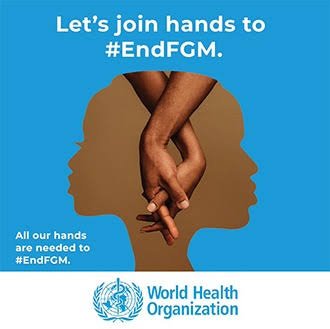
The World Health Organization (WHO) has warned that an estimated 4.5 million girls, many under the age of five, are at risk of undergoing female genital mutilation (FGM) in 2026, as global efforts to end the harmful practice face growing financial and social pressures.
In a statement issued by WHO on the International Day of Zero Tolerance for Female Genital Mutilation, the Organization reaffirmed its commitment to eliminating FGM and ensuring that girls and women affected by the practice have access to quality, safe, and survivor-centred health services.
WHO estimates that more than 230 million girls and women worldwide are living with the lifelong physical and mental health consequences of FGM.
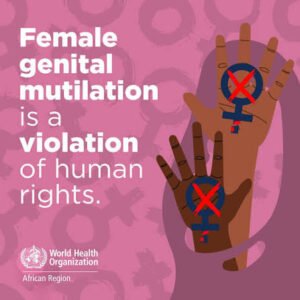
The practice is a violation of human rights and poses serious risks, including severe pain, infection, childbirth complications, and long-term psychological trauma. The annual global cost of treating FGM-related health complications is estimated at US$1.4 billion.
According to WHO, sustained prevention efforts over the past three decades are producing results. Nearly two-thirds of people in countries where FGM is practiced now support its elimination.
WHO highlighted evidence-based interventions proven to reduce FGM, including comprehensive health education, engagement with community and religious leaders, parental outreach, and the use of traditional and digital media.
The Organization called for greater investment in community-led and youth-driven initiatives, strengthened education systems, and expanded involvement of health workers in prevention efforts.
The Organization also underscored the economic benefits of ending FGM, noting that every dollar invested yields a tenfold return. An estimated US$2.8 billion investment could prevent 20 million cases and generate US$28 billion in long-term social and economic benefits.
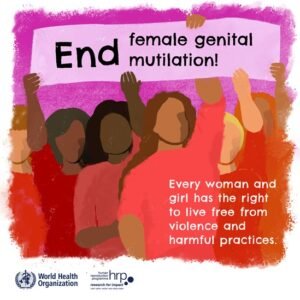 However, WHO warned that progress is under threat as global funding for health, education, and child protection declines.
WHO reaffirmed its commitment to working with governments, communities, health professionals, and survivors worldwide to end female genital mutilation once and for all.