



WHO CONFIRMS TWO NIPAH VIRUS CASES IN INDIA, SAYS OUTBREAK IS CONTAINED
The World Health Organization (WHO) has confirmed two cases of Nipah virus infection in eastern India, involving healthcare workers, but says there is no evidence of wider spread.
WHO said the cases were detected in West Bengal, where two nurses aged between 20 and 30 tested positive for the virus after developing symptoms in late December.
Indian authorities notified the UN health agency on 26 January, following laboratory confirmation by the National Institute of Virology in Pune earlier in the month.
One of the patients remains in a critical condition on mechanical ventilation, WHO said, while the second has shown improvement after experiencing severe neurological illness.
Health officials said more than 190 contacts, including hospital staff and community members, have been identified and tested, with all results returning negative.
A mobile high-containment laboratory was deployed to support the testing, and no additional cases have been detected so far.
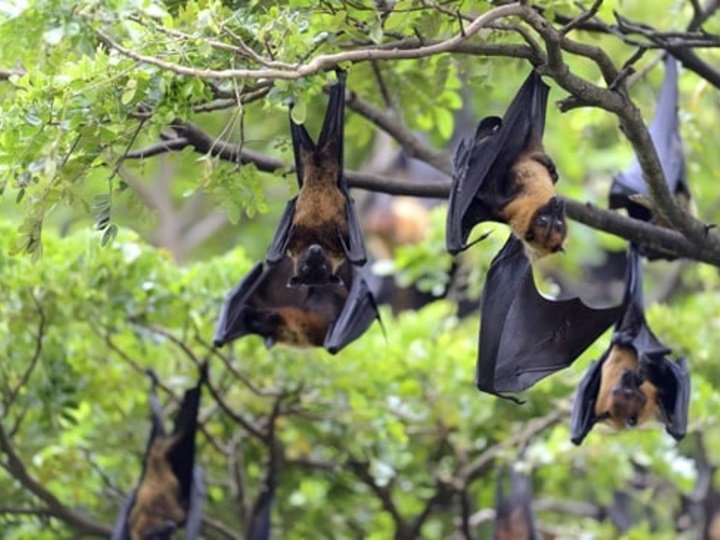
WHO said investigations were continuing to establish how the patients were exposed to the virus. Nipah is a rare but serious zoonotic disease that can spread from animals— and most commonly fruit bats— to humans, either through contaminated food or through close contact, particularly in healthcare settings.
The agency warned that Nipah virus carries a high fatality rate of between 40% and 75% and that there are currently no licensed vaccines or specific treatments. However, it said early supportive medical care can significantly improve survival.

Based on available information, WHO assessed the public health risk as moderate at the sub-national level, and low at the national, regional and global levels.
Indian authorities have stepped up surveillance, infection prevention and control measures, and clinician awareness, while continuing contact tracing and community outreach, WHO said.
The agency also advised the public to reduce the risk of infection by avoiding raw date palm sap, washing and peeling fruit, staying away from bat-roosting areas and avoiding close, unprotected contact with people who are ill.
Anyone experiencing symptoms such as fever, headache or altered consciousness should seek medical attention promptly, it added.
WHO said it does not recommend any travel or trade restrictions, noting that India has demonstrated strong capacity in managing previous outbreaks.
This is the third Nipah outbreak reported in West Bengal, following earlier incidents in 2001 and 2007. While Nipah remains a priority pathogen with epidemic potential, WHO said swift public health action has so far prevented further transmission in the current outbreak.