

FAITH, FOOD, AND THE FIGHT FOR LIFE: WHEN BELIEF MEETS THE BATTLE AGAINST DIABETES AND HYPERTENSION”

By Oluwaseyi Elizabeth Jimoh
Every minute, diabetes and hypertension high blood pressure, silently claims another life.
Yet, for many, the danger doesn’t begin in hospitals. It starts quietly, on plates, in the choices, and sometimes, in beliefs.
A SUNDAY OF SILENCE
It was a quiet Sunday afternoon when Adeola noticed something unusual about her husband, Pastor Simeon, after 25 years of marriage, she had never seen him ill— until that day. His lips were dark, his body hot, and his eyes weary.
She begged him to visit the hospital, but Pastor Simeon brushed it aside.
“It’s a test of faith,” he said. “Not a sickness.”
When he finally agreed to seek help, it was too late. Within weeks, Pastor Simeon was gone.
The death certificate read: Type 2 Diabetes Mellitus— a preventable disease that silently claimed a life that could have been saved.
According to the World Health Organization (WHO) every five seconds, someone somewhere dies from complications of Diabetes Mellitus.
THE BITTER TASTE OF SWEETNESS
At his funeral, the local bread seller wept bitterly.
“Ha, Pastor!” he cried, reminiscing how the man of God was a faithful customer who bought two long loaves and condensed milk every night.
Pastor Simeon’s love for sweet drinks, salted meals, and late-night snacks was well-known— yet never questioned. Like most ignorant religious fanatics, he ignored the warning signs, trusting faith alone to sustain his health.
In many religious communities, illness is often seen as a spiritual attack. Prayers replace checkups; fasting replaces balanced meals.
“Faith is powerful,” says Dr. Ezekiel Adeniyi, a physician and pastor, who made this known at a religious health talk organized for home builders, “but faith without knowledge can be fatal. The same God who heals also gave us medicine and wisdom,” he stated.

Dr. Adeniyi who has spent years moving from pulpit to pulpit, uses scripture and science to bridge the gap between belief and healthy living.
THE GLOBAL REALITY CHECK
The World Health Organization reports that:
Over 500 million people globally live with diabetes.
Between 6–7 million die from it every year.
Hypertension affects 1 in 3 adults, yet only 1 in 4 have it under control.
Both diseases are called “the silent killers”— often showing no symptoms until the damage is irreversible. But the truth, experts say, is that both are preventable through simple lifestyle changes.
UNDERSTANDING THE ENEMY
Dr. Ezekiel Adeniyi explained that Diabetes Mellitus occurs when the body cannot properly regulate sugar, stressing that there are three main types:
Type 1 Diabetes– genetic, often in children or adolescents.
Type 2 Diabetes– lifestyle-related, linked to poor diet, inactivity, and obesity.
Gestational Diabetes– develops during pregnancy and may disappear after birth but raises future risk.
Typical warning signs include frequent urination, excessive thirst, fatigue, weight loss, and slow-healing wounds— symptoms often ignored until it’s too late.
THE HYPERTENSION TRAP
Right after discussing diabetes, Dr. Ezekiel Adeniyi added, “but diabetes rarely walks alone— its twin brother is hypertension.”
He explained that hypertension, or high blood pressure, is when the force of blood against the arteries stays higher than normal (above 140/90 mmHg).
It’s often symptomless— hence its nickname, “the silent killer.”
“You can look perfectly healthy, yet your heart and arteries are under siege,” he warned.
The causes are familiar: too much salt, stress, lack of exercise, obesity, smoking, and alcohol.
If left untreated, hypertension can lead to stroke, heart attack, kidney failure, and death.
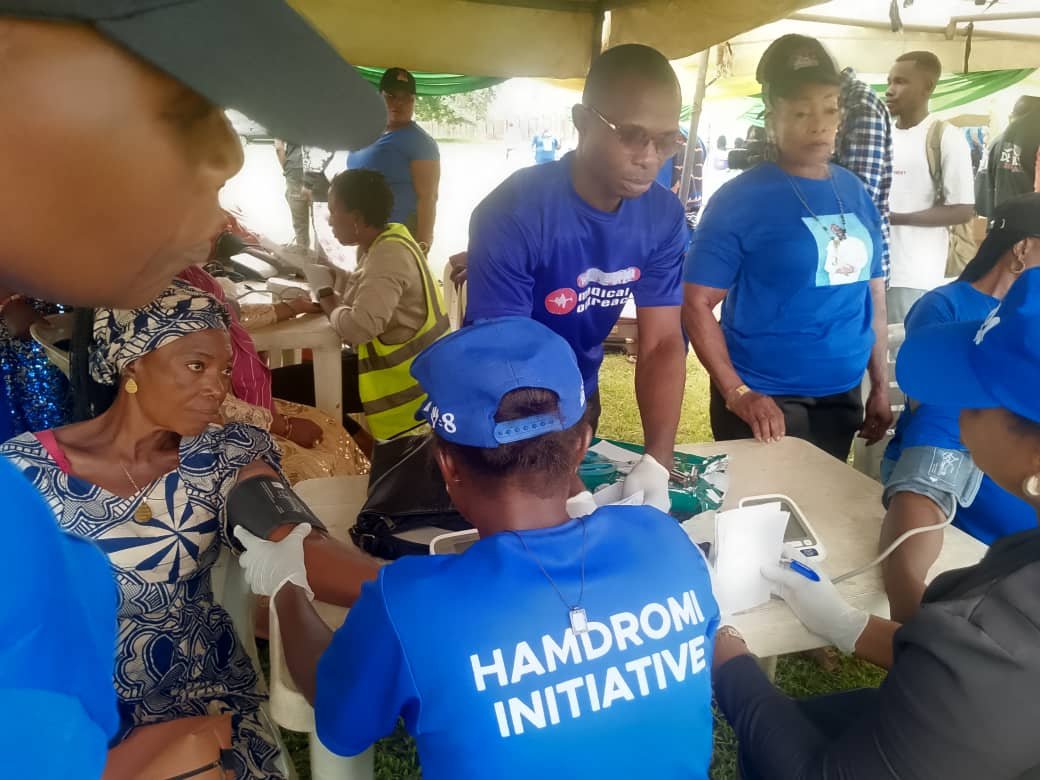
He emphasized that regular blood pressure checks are as essential as prayer.
“Faith without a blood pressure monitor is blind faith,” he said.
THE POWER OF LIFESTYLE
According to a 2025 report in the Indian Journal of Endocrinology and Metabolism, lifestyle modification remains the cornerstone of prevention for both diabetes and hypertension.
Losing just 7% of body weight, eating balanced meals, and engaging in at least 150 minutes of moderate exercise weekly— such as brisk walking, cycling, or dancing— can reduce Type 2 diabetes risk by up to 58% and significantly lower blood pressure.
Simple, consistent habits— not expensive drugs— are what truly save lives.
HEALING BEGINS IN THE KITCHEN
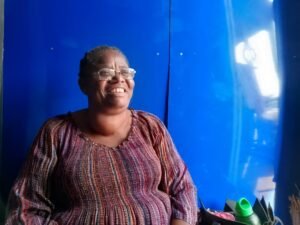
Nutritionist and Mother, Mrs. Musa Bosede reminds families that health starts from the pot.
“Feed your family health, not harm,” she said.
Her advice is simple:
Replace sugary drinks with water or fresh juices.
Reduce salt, seasoning cubes, and processed foods.
Use natural flavorings like ginger, garlic, turmeric, rosemary, and scent leaf.
Avoid canned foods and excess oil.
Serve fruits and vegetables at every meal.
She adds, “It’s time to replace sweeteners at social gatherings with fruits l— cucumbers, pineapples, and salads. Health should be a culture, not a crisis.”
PRESCRIPTION FOR A HEALTHY LIFE
DO’S:
- Eat more vegetables and whole foods.
- Exercise at least five times a week.
- Drink plenty of water daily.
- Check your blood sugar and blood pressure regularly.
- Take medications as prescribed and attend checkups.
❌ DON’Ts:
- Don’t exceed 2 grams of salt per day.
- Don’t rely solely on faith for healing— combine medical checkup.
- Don’t exceed 2 grams of salt per day.
- Don’t smoke, drink excessively, or live a sedentary life.
- Don’t ignore symptoms like fatigue, blurred vision, or constant thirst.
- Don’t consume sugary drinks, fried snacks, or processed foods.
THE FINAL WORD
Pastor Simeon’s story is a painful but powerful reminder: what we ignore in comfort, destroys us in silence.
Faith is a gift, but prevention is obedience to the law of health.
Health is not just the absence of disease; it’s the presence of wisdom. Check your blood pressure. Watch your sugar. Move your body. Eat right. Live long.
Because in the end, your lifestyle is your loudest prayer.